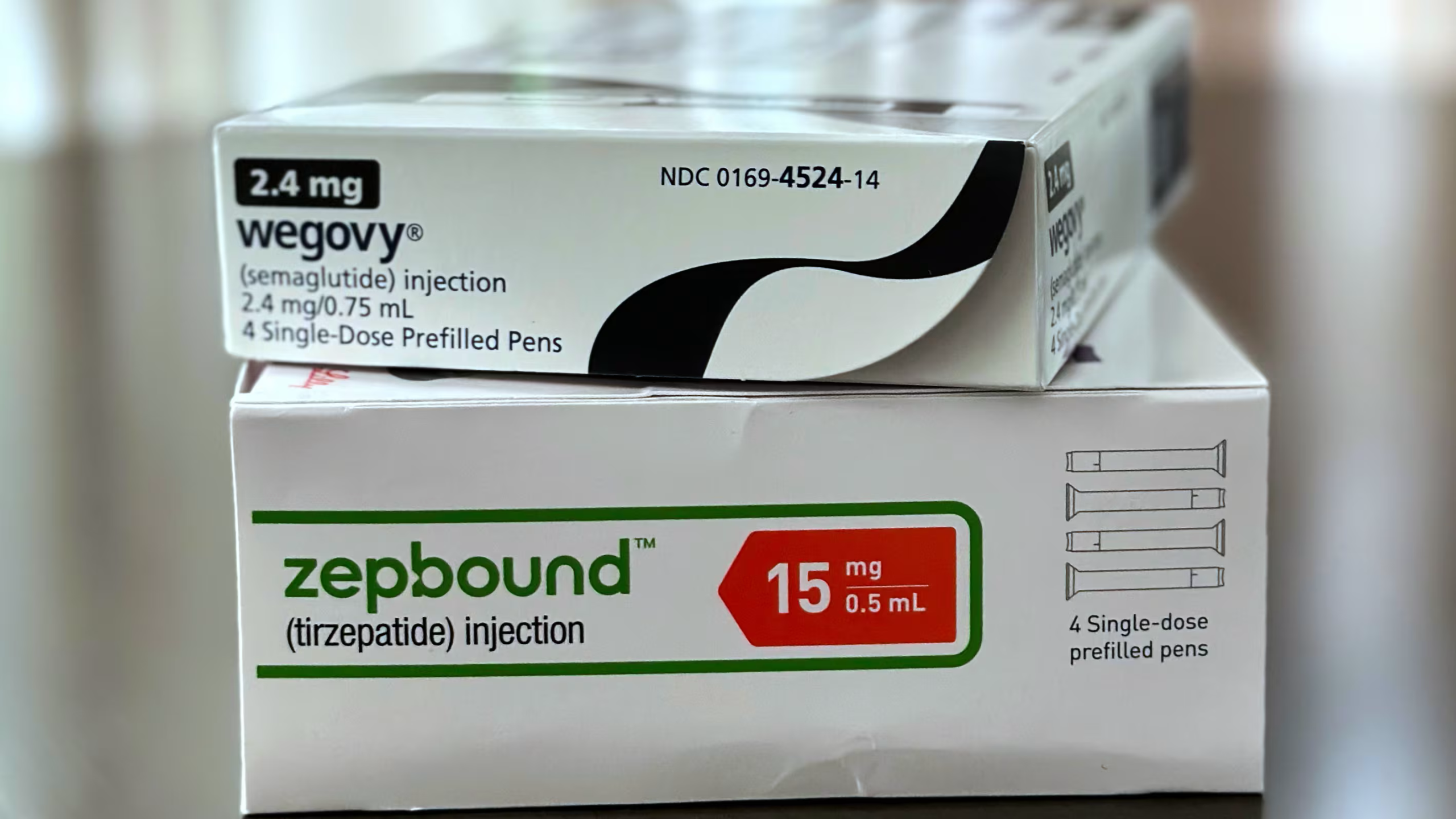
The obesity epidemic continues to challenge global health systems, prompting the development of pharmacological interventions aimed at effective weight management. In a groundbreaking 72-week head-to-head clinical trial, Eli Lilly’s Zepbound (tirzepatide) demonstrated superior efficacy in weight reduction compared to Novo Nordisk’s Wegovy (semaglutide), offering new insights into obesity treatment strategies.
Trial Overview: Design and Participant Demographics
The SURMOUNT-5 Phase 3b trial enrolled 751 adults with obesity but without type 2 diabetes. Participants were randomized to receive either Zepbound or Wegovy at their respective maximum approved doses. The study was conducted across 32 sites in the United States and Puerto Rico, with all participants receiving standardized counseling on diet and exercise.
Efficacy Outcomes: Zepbound’s Superior Weight Loss
After 72 weeks, participants treated with Zepbound experienced an average weight loss of 20.2% (approximately 50 pounds), while those on Wegovy lost an average of 13.7% (about 33 pounds). Furthermore, 32% of individuals in the Zepbound group achieved a weight reduction of at least 25%, compared to 16% in the Wegovy group.
Mechanistic Insights: Dual vs. Single Hormone Agonism
Zepbound’s enhanced efficacy is attributed to its dual agonist action on both glucose-dependent insulinotropic polypeptide (GIP) and glucagon-like peptide-1 (GLP-1) receptors. This dual mechanism not only suppresses appetite but also improves insulin sensitivity and energy expenditure. In contrast, Wegovy targets only the GLP-1 receptor, primarily influencing satiety and gastric emptying.

Safety Profile: Comparable Tolerability Between Treatments
Both medications exhibited similar safety profiles, with gastrointestinal events being the most common adverse effects. Approximately 44% of participants in each group reported nausea, and 25% experienced abdominal discomfort. No significant differences in serious adverse events were observed between the two treatment arms.
Implications for Clinical Practice and Future Research
The superior weight loss achieved with Zepbound positions it as a potentially more effective option for obesity management compared to Wegovy. These findings may influence clinical decision-making and insurance coverage policies. Ongoing studies are evaluating the long-term cardiovascular outcomes associated with tirzepatide, which could further solidify its role in comprehensive obesity care.
Conclusion: A New Era in Obesity Pharmacotherapy
The results of the SURMOUNT-5 trial underscore the potential of dual hormone receptor agonists like Zepbound in achieving substantial weight loss. As obesity continues to pose significant health risks globally, such advancements in pharmacological treatments offer hope for more effective management strategies.
Sources
- World Pharma News: Head-to-head trial compares weight loss drugs
- Weill Cornell Medicine Newsroom: Head-to-Head Trial Compares Weight Loss Drugs
- Eli Lilly Investor News: Zepbound (tirzepatide) showed superior weight loss over Wegovy